
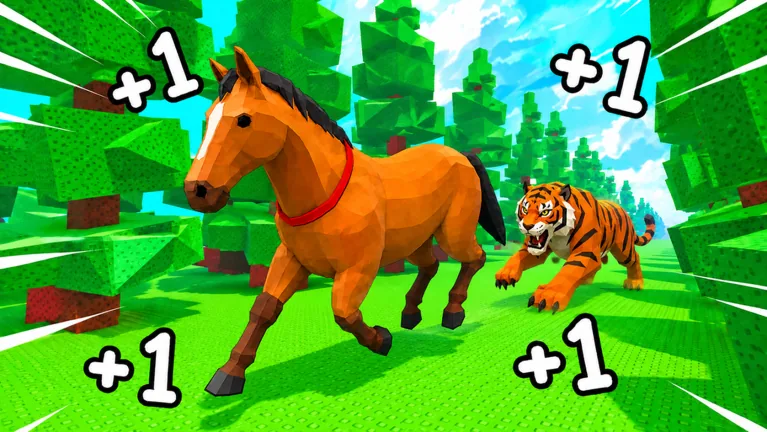
Read the current field before changing a value
Look for the 1 Horse Evolution custom speed field with an edit icon, as shown in the gameplay view. Read its current instructions before changing a value. The icon alone does not tell you the accepted range, how to save a change or whether the setting will solve your movement problem.
First identify the problem you are trying to solve: a course requirement you cannot meet, an awkward jump approach or confusion between training progress and movement Speed. Those questions need different checks, even when the Custom Speed field is nearby.
Separate the field from earned progression
Read actual Speed, Level and step progress before editing a setting. The interface shown keeps those values separate. A training gain popup is not proof that movement Speed has increased by the same amount.
| Your question | Check first |
|---|---|
| Can I enter this course? | The course sign and actual Speed |
| Am I making training progress? | The progress bar and its current target |
| Why did movement change after a reset? | The warning and values after Rebirth |
| What does this field accept? | The field’s current instructions and feedback |
Do not assume changing this field grants Steps, raises Level or bypasses a course requirement. Check the earned counters and entry condition separately before attributing any such effect to the setting. For counter confusion, start with the Speed guide rather than repeatedly changing an unrelated value.
Inspect instructions and feedback one change at a time
If the live control offers editing, read any minimum, maximum, explanation or confirmation it displays. Follow the controls available in your own interface rather than assuming a fixed number or hidden button sequence.
Note the original displayed value before making a change so you can compare the result. Change only this setting during that comparison. Switching horses or training lanes at the same time makes the cause of a difference harder to identify.
Read any response from the control. An accepted entry, a rejected value and a field that remains unchanged are different outcomes. Record what the interface actually shows instead of treating all three as proof that the control worked.
Follow any current instructions for applying or confirming a setting. Check saving behavior separately: an edit icon alone does not tell you that a change saves automatically or persists across sessions.
Match the next check to your movement problem
For a locked course, compare actual Speed with the entrance sign again. For a missed jump after entry, inspect the approach and landing area before deciding that this setting caused the overshoot or will correct it.
Use the jumping guide to check your approach and landing, then adjust to the current course rather than following a fixed timing script. After a reset, the after Rebirth guide helps distinguish named Speed resets from other account issues.
If the field’s behavior remains unclear, read its instructions again and compare them with the result you observed. The visible control gives you a place to start checking, but does not reveal a complete menu sequence. Avoid scripts or exploit claims offered in place of the game’s own setting instructions.
FAQ
Where should I look for Custom Speed?
Look for the labeled field with an edit icon in your current interface. The gameplay view shows that control, but its position may differ in a later version.
What value should I enter?
Read the current field’s instructions and feedback before choosing a value. Do not assume a range that applies to every version or account.
Does it add earned Speed or Levels?
Check the actual earned counters separately from the movement setting. Inspect the result before assuming the change added progression gains.
Will changing it fix every missed jump?
Check entry eligibility, approach and landing separately before attributing the problem to one setting. Do not rely on a setting change to fix every missed jump.